The best electrical upgrades during a home remodel include replacing outdated wiring, upgrading the electrical panel, adding dedicated circuits, installing GFCI and AFCI protection, improving lighting, adding outlets, installing whole-home surge protection, preparing for an EV charger, wiring for smart home technology, and planning for future electrical needs.
A remodel is one of the best times to improve your home’s electrical system. Since the walls and ceilings are already open, many electrical upgrades cost less than after the project is finished.
Many older homes were also built before today’s electrical demands. Modern kitchens, home offices, electric vehicles, and smart home devices place much greater demands on an electrical system than homes did decades ago. Planning these upgrades now can improve safety, convenience, energy efficiency, and flexibility for years to come.
 Quick Takeaways
- Remodeling is the ideal time to upgrade your electrical system.
- Safety upgrades should come before cosmetic improvements.
- Electrical panel and wiring upgrades support modern appliances.
- Dedicated circuits help prevent overloaded breakers.
- Planning ahead now can reduce future installation costs.
1. Upgrade an Outdated Electrical Panel
Your electrical panel is the heart of your home’s electrical system. If it’s outdated, it may struggle to keep up with today’s electrical demands.
Many older homes still have 100-amp service. While that was enough years ago, it may not provide enough capacity for modern electrical appliances, HVAC equipment, kitchen renovations, or an electric vehicle charger.
During a remodel, it’s a good time to determine whether upgrading to a 200-amp electrical panel makes sense. A larger panel provides additional breaker space, supports future electrical upgrades, and helps reduce the risk of overloaded circuits.
2. Replace Old or Unsafe Wiring
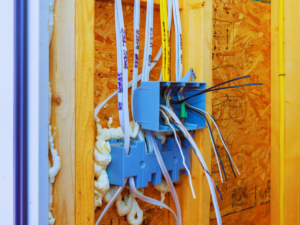
Opening walls during a remodel makes it much easier to replace outdated wiring.
Some older homes still contain:
These wiring systems may not meet current electrical codes or safely support today’s electrical loads.
Replacing old wiring makes your home safer and more reliable. It also supports future electrical upgrades.
3. Add Dedicated Circuits for High-Powered Appliances
Large electrical appliances should often have their own dedicated circuit.
This helps prevent overloaded breakers and reduces the chance of nuisance trips.
Dedicated circuits are commonly recommended for:
- Refrigerators
- Ovens and ranges
- Microwaves
- Dishwashers
- Washing machines
- Dryers
- HVAC systems
- Garage equipment
- Workshop tools
- Home office equipment
Adding dedicated circuits during a remodel is usually much easier than installing them after construction is complete.
4. Install More Outlets Throughout the Home
Many older homes simply don’t have enough electrical outlets.
When outlets are limited, homeowners often rely on extension cords and power strips. While power strips can be helpful, they should not become a permanent solution for a lack of outlets.
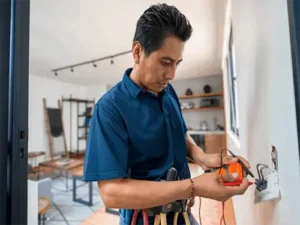
A remodel gives you the chance to install outlets exactly where they’re needed.
 Popular locations include:
- Kitchen islands
- Bathroom vanities
- Home offices
- Garages
- Outdoor living spaces
- Bedrooms
You may also want to install USB and USB-C outlets so phones, tablets, and other devices can charge without bulky adapters.
5. Upgrade Your Home’s Lighting
Lighting can completely change the look and function of your home.
A remodel provides the perfect opportunity to improve both appearance and efficiency.
Popular lighting upgrades include:
- Recessed lighting
- LED lighting
- Under-cabinet lighting
- Dimmer switches
- Outdoor lighting
Many homeowners also choose smart lighting that can be controlled from a smartphone or voice assistant. Smart lighting offers added convenience while helping reduce energy usage.
6. Add Modern GFCI and AFCI Protection
Two of the most important electrical safety devices are GFCIs and AFCIs.
Ground Fault Circuit Interrupters (GFCIs) help protect people from electrical shock. They are commonly required in areas where water is present, including:
- Kitchens
- Bathrooms
- Garages
- Laundry rooms
- Outdoor locations
Arc Fault Circuit Interrupters (AFCIs) help reduce the risk of electrical fires caused by damaged wiring or loose electrical connections.
Current electrical codes require GFCI and AFCI protection in many parts of the home. Updating your electrical system during a remodel improves safety. It also brings your home closer to current code requirements.
7. Install Whole-Home Surge Protection
Many homeowners think lightning is the biggest threat to their electronics.
In reality, many power surges actually originate inside the home when large electrical appliances cycle on and off.
A whole-home surge protector helps reduce damage from power surges. It redirects excess voltage away from your electrical system.
Whole-home surge protection can help protect:
- Computers
- Televisions
- Smart home devices
- HVAC equipment
- Kitchen appliances
- Laundry appliances
- Other expensive electronics
Adding surge protection during a remodel is a relatively small investment that can help protect thousands of dollars’ worth of equipment.
8. Prepare for an Electric Vehicle Charger
Even if you don’t own an electric vehicle today, you may in the future.
Installing the proper circuit while your walls are already open is often much less expensive than adding one later.
Planning ahead may include:
- Installing a dedicated circuit
- Running conduit
- Reserving space in the electrical panel
These small steps can save significant labor costs if you decide to install a Level 2 EV charger later.
9. Wire Your Home for Smart Technology
 Many homeowners include smart home features in their remodeling plans.
Running wiring now is easier than trying to add it after the project is complete.
Popular smart home upgrades include:
- Smart lighting
- Smart switches
- Smart thermostats
- Video doorbells
- Security cameras
- Smart locks
Installing the necessary wiring during construction makes future upgrades faster and cleaner.
10. Plan for Future Electrical Needs
A remodel is also a good time to think beyond today’s project.
Preparing now can make future improvements much easier.
Consider planning for:
- Generator installation
- Battery backup systems
- Solar compatibility
- Additional breaker space
- Conduit for future wiring
Even if you don’t install these upgrades right away, you can prepare your electrical system now. This can reduce labor costs later. It can also help you avoid needless wall repairs.
Should You Upgrade Your Electrical System During Every Remodel?
Not every remodel requires major electrical upgrades, but most projects provide an excellent opportunity to improve safety, increase electrical capacity, and prepare for future needs. An inspection by a licensed electrician can identify which upgrades make the most sense for your home.
The right recommendations depend on several factors, including your home’s age, the condition of the existing electrical system, and the scope of the renovation.
Addressing hidden electrical issues before drywall is installed can save both time and money later. It also helps avoid opening finished walls if electrical problems are discovered after the remodel is complete.
Frequently Asked Questions
Do I need to upgrade my electrical panel during a remodel?
Not always. However, if your current panel is outdated, frequently trips breakers, or doesn’t have enough capacity for new electrical appliances, an upgrade may be recommended.
Is it worth replacing old wiring while remodeling?
Yes. Since walls are already open, replacing old or unsafe wiring is often much easier and less expensive than doing it after the remodel is finished.
Can I add more outlets without rewiring my entire home?
In many cases, yes. A licensed electrician can often add electrical outlets to existing circuits if those circuits have enough available capacity.
What electrical upgrades add the most value to a home?
Electrical panel upgrades, modern wiring, additional outlets, LED lighting, smart home features, and whole-home surge protection are among the upgrades that homeowners often find most valuable.
Do electrical upgrades require permits?
Many electrical upgrades require permits and inspections to verify they meet local building and electrical codes. Your electrician can determine which permits are required for your project.
Upgrade Your Home’s Electrical System With Confidence
 A home remodel is one of the best opportunities to improve your electrical system. Since much of the home is already open during construction, it is easier to do electrical upgrades. These upgrades are often faster and cheaper now than they would be later.
Prioritizing safety, electrical capacity, and long-term functionality now can help your remodeled home better support your family’s needs for years to come.
If you’re planning a renovation, Genesis 1:3 Electric can inspect your existing electrical system and recommend the upgrades that make the most sense for your home. Whether you need an electrical panel upgrade, new wiring, additional outlets, or smart home installations, our team is here to help you build a safer and more capable electrical system.