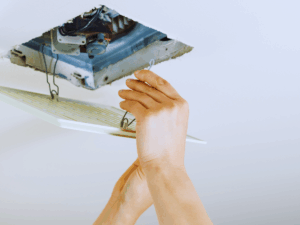
 A noisy bathroom fan is hard to ignore. It rattles. It hums. It screeches when you flip the switch.
Many homeowners treat the sound as an annoyance and move on. That is a mistake.
Noise signals stress. Something inside the fan is working harder than it should. Over time, that stress leads to wear, moisture buildup, and electrical issues.
Electricians in Centennial, Colorado see this pattern often. The noise shows up first. Failure comes later. This article explains what the noise means and what to do next.
Quick Takeaways
- A noisy bathroom fan usually points to mechanical wear or electrical stress
- Different noises signal different problems
- Some noise issues are harmless, others require attention
- Ignoring a loud fan can shorten its lifespan
- An electrician can identify whether the issue is mechanical or electrical
Why Bathroom Fans Get Noisy Over Time
Bathroom fans operate in heat and moisture. Those conditions speed up wear. Motors spin. Bearings loosen. Fasteners back out slightly each year. None of this happens at once.
Noise often appears before full failure. The fan still runs, but it does not run smoothly.
Older fans show this change more clearly. Tolerances loosen. Vibration increases. Sound becomes the warning sign.
What the Noise Is Telling You
Different sounds point to different problems. The noise matters more than the volume.
Rattling or Vibrating Sounds
Rattling usually comes from movement. The fan housing may shift during operation. Mounting brackets can loosen over time. Ductwork above the ceiling may move when airflow starts.
This noise often changes when the fan first turns on.
Grinding or Scraping Noises
Grinding signals friction. Motor bearings wear down. Fan blades may contact the housing. Internal parts no longer spin freely.
This noise often grows louder with use and does not go away on its own.
High-Pitched Whining
A high-pitched sound points to strain. The motor pulls harder to keep spinning. Electrical resistance increases. Aging components struggle to maintain speed.
This noise often stays constant while the fan runs.
Humming Without Much Airflow
Humming with weak airflow means the motor runs under load. A blocked duct or stuck damper limits air movement. The motor works harder without moving air.
This pattern often appears before motor failure.
Is a Noisy Bathroom Fan Dangerous?
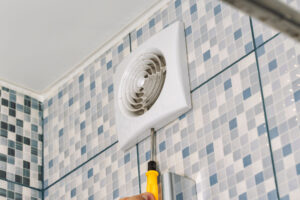
Some noise reflects normal wear. A mild increase in sound over many years is common. That type of noise does not signal immediate danger.
Noise becomes a problem when it ties to heat or electrical stress. Overheating motors break down insulation. Worn wiring increases resistance. Those conditions raise fire risk.
Electrical diagnosis matters because sound alone does not show the full picture.
What You Can Safely Check Yourself
Homeowners can observe a few things without opening the fan housing.
- Listen for changes in noise when the fan starts
- Check for visible vibration at the grille
- Inspect the grille for dust buildup after turning power off
- Note whether airflow has decreased
These checks help describe the problem. They do not fix electrical issues.
When a Noisy Bathroom Fan Needs Professional Help
- The noise keeps getting louder over time
- You smell heat, burning, or melting plastic
- The fan shuts off on its own
- The breaker trips or the wall switch feels warm
- Cleaning does not reduce the noise
At that point, the issue moves past observation. Electrical testing becomes necessary.
FAQ: Noisy Bathroom Fan
Why is my bathroom fan suddenly so loud?
Sudden noise often means a part reached its wear limit. A loose component or stressed motor usually causes the change.
Can a noisy bathroom fan cause a fire?
Risk increases when noise links to overheating or wiring damage. Electrical faults raise concern more than mechanical vibration alone.
Is it safe to keep using a loud bathroom fan?
Short-term use may not cause harm. Long-term use increases wear and moisture risk. Continued operation can damage wiring or motors.
How long do bathroom fans usually last before getting noisy?
Many fans last 10 to 15 years. Heavy moisture, dust buildup, and poor installation shorten that range.
Should I repair or replace a noisy bathroom fan?
Repair makes sense for minor mounting or switch issues. Replacement makes more sense for older fans or motor wear. Age often decides the answer.
Schedule Bathroom Exhaust Fan Service With Genesis Electric
 Bathroom fan noise often points to electrical stress, not just airflow issues. Local electrical codes exist to address that risk. Proper diagnosis separates minor fixes from real problems.
If your bathroom fan is noisy, do not ignore it. Sound often signals mechanical or electrical stress. Genesis Electric keeps you out of the dark. Call today to schedule bathroom exhaust fan service in Centennial, Colorado or nearby areas.