To check if a circuit breaker is faulty, look for these signs. A bad breaker often trips frequently, even without added load. It may not reset, smell like burning plastic, feel hot, or show visible damage.
A circuit breaker controls the power to a specific circuit. It turns off electricity when it finds overloads or short circuits. A tripped breaker is doing its job. A failed breaker is not.
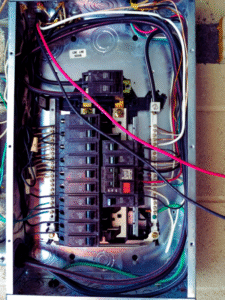 Here’s how to know the difference.
Quick Takeaways
- A bad circuit breaker often trips repeatedly without overload
- A breaker that won’t reset may have internal damage
- Burning smells or heat from the panel signal danger
- Visible scorch marks indicate failure
- Flickering lights can point to breaker instability
- Old breakers (25–40+ years) are more likely to fail
- Electrical testing confirms breaker failure
What Is a Circuit Breaker and How Does It Fail?
A circuit breaker protects your wiring by interrupting electrical current when it detects a problem. If a circuit pulls too much electricity or a short circuit forms, the breaker trips and shuts off the power supply.
Most residential breakers use a thermal-magnetic mechanism. The thermal component reacts to heat caused by overload. The magnetic component reacts instantly to short circuits. Inside the breaker are springs, contacts, and a trip mechanism that physically separate to stop current flow.
Over time, those internal parts wear out. Springs weaken. Contacts pit and degrade. Repeated trips cause mechanical stress. Heat cycles break down components.
Eventually, the breaker doesn’t trip when it should—or it trips when it shouldn’t.
Important distinction: not all tripping means the breaker is bad. Sometimes the circuit is overloaded. The key is recognizing patterns and symptoms of a faulty breaker rather than a simple electrical issue.
Common Signs Your Circuit Breaker Is Bad
A single symptom does not always confirm failure. But when you see patterns or multiple warning signs, the breaker is bad more often than not.
1. The Breaker Trips Repeatedly Without Increased Load
If your breaker trips every time you use the same appliances, and nothing new is added, it may mean there is an internal failure.
An overloaded circuit trips because demand exceeds capacity. A faulty breaker trips even when demand stays normal. If the load hasn’t changed but the breaker keeps shutting off power, the breaker doesn’t have the stability it once had.
2. The Breaker Won’t Reset or Stay in the ON Position
A breaker that won’t click firmly into the ON position often has a failed latch mechanism.
You flip it on. It snaps back. Or it feels loose. That usually indicates internal damage.
When a breaker doesn’t hold, it cannot reliably control the power supply. Replacement becomes necessary.
3. You Smell Burning or Melted Plastic Near the Panel
A burning odor around the electrical panel is never normal.
Heat buildup inside a breaker can melt insulation or plastic housing. That smell signals overheating components or arcing. This is not a wait-and-see situation. It is a safety issue.
4. The Breaker Feels Hot to the Touch
Some warmth is normal under load. Excessive heat is not.
If one breaker feels noticeably hotter than others, it may be struggling to handle current or suffering internal resistance. Heat accelerates failure and increases fire risk. A breaker that runs hot is often a breaker that is bad.
5. Visible Scorch Marks or Discoloration
Black marks, melted plastic, or discoloration around a breaker indicate arcing.
Arcing occurs when electricity jumps between contacts instead of flowing cleanly. That damages the breaker and surrounding panel components. Once you see visible damage, replacement is the only safe move.
6. Flickering or Intermittent Power on One Circuit
If lights flicker or outlets lose power intermittently on one circuit, the breaker may have unstable internal contacts.
Loose or failing connections interrupt the power supply unpredictably. This type of electrical issue often points directly to a faulty breaker rather than the appliances themselves.
7. The Breaker Is More Than 25–40 Years Old
Most breakers last decades, but they do not last forever.
Age alone increases risk. Internal components degrade even if the breaker rarely trips. In older homes, especially those with original panels, proactive replacement may prevent serious electrical issues down the line.
How to Safely Confirm a Bad Circuit Breaker
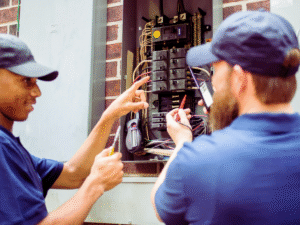 Safety comes first. Electrical panels are not DIY playgrounds.
Step 1: Rule out an overloaded circuit: Unplug appliances on that circuit. Reset the breaker. If it holds, overload caused the trip.
Step 2: Reset properly: Push the breaker fully to OFF before flipping it back to ON. If the breaker doesn’t stay set, internal damage is likely.
Step 3: Test outlet voltage: Using a non-invasive outlet tester can confirm whether power returns consistently. If voltage fluctuates or drops out, the breaker may be failing.
Step 4: Call a licensed electrician: If symptoms continue, testing inside the panel requires professional tools and training. Diagnosing a faulty breaker involves checking load, connections, and panel condition safely.
When a Bad Breaker Becomes a Fire Hazard
A breaker protects your home from overheating wires. If the breaker is bad, that protection disappears.
Overheating occurs when a breaker fails to trip during overload. Wires heat up inside walls. Insulation breaks down. Arc faults can form. Arcing generates extreme heat in a small space.
A faulty breaker can also damage the electrical panel itself. Burned bus bars, melted insulation, and compromised connections spread risk beyond a single circuit.
Ignoring warning signs increases the chance of electrical fires. When a breaker doesn’t function correctly, your home’s first line of defense weakens.
Circuit Breaker Repair vs. Replacement: What’s the Right Move?
In most cases, circuit breakers are replaced—not repaired.
Breakers are sealed units. Internal components are not designed for servicing. If the breaker is bad, replacement is the standard solution.
Sometimes the issue extends beyond one breaker. If multiple breakers fail, the panel shows corrosion, or the system lacks capacity for modern appliances, a full panel upgrade may be recommended.
Proper circuit installation ensures safe load distribution, correct breaker sizing, and long-term reliability. Replacing a faulty breaker without addressing underlying electrical issues only postpones bigger problems.
Professional Circuit Installation and Breaker Replacement
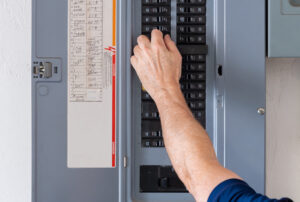 Proper breaker replacement requires more than swapping parts.
A licensed electrician verifies load calculations. They inspect the panel. They confirm code compliance. They ensure proper torque on connections. They test the restored power supply.
Incorrect installation can create loose connections, overheating, or continued electrical issues. Professional service eliminates guesswork and protects your home.
Genesis serves Centennial, CO and nearby areas with expert circuit installation and breaker replacement services. Our team diagnoses the real problem, not just the symptom. We make sure your electrical system operates safely and reliably.
FAQs About Bad Circuit Breakers
How do I know if my circuit breaker is bad or just overloaded?
An overloaded circuit trips only when demand exceeds capacity. A breaker is bad when it trips repeatedly under normal load, won’t reset, feels hot, or shows physical damage.
Can a circuit breaker go bad without tripping?
Yes. A faulty breaker may fail to trip during overload, which is more dangerous than nuisance tripping. That failure allows wires to overheat.
Is it dangerous to keep resetting a breaker?
Yes. Repeatedly resetting a breaker without identifying the cause can increase heat buildup and fire risk. If the breaker doesn’t stay reset, stop and call a professional.
How long do circuit breakers typically last?
Most circuit breakers last 25 to 40 years. Frequent tripping, heat exposure, and poor installation can shorten that lifespan.
Can I replace a circuit breaker myself?
Panel work involves live electrical components. Improper handling can cause shock, burns, or fire. Replacement should be performed by a licensed electrician.
How much does it cost to replace a circuit breaker?
Costs vary based on breaker type, panel condition, and labor. A professional inspection provides accurate pricing and ensures the correct solution.
Schedule Circuit Breaker Replacement or Installation Today
 If you suspect a circuit breaker is bad, do not wait for a larger electrical issue to develop. Early diagnosis protects your wiring, appliances, and home.
Genesis 1:3 Electric provides expert circuit breaker replacement and professional circuit installation in Centennial, CO and nearby areas. Our electricians follow code, balance loads correctly, and ensure your power supply runs safely and efficiently.
Genesis keeps you out of the dark.
Call today to schedule an inspection and restore confidence in your electrical system.