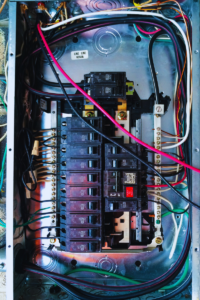
 A breaker box that feels hot to the touch is hard to ignore, and it should be. Most homeowners expect their electrical panel to stay cool, so when heat shows up, it raises concern.
Here’s the reality: a slightly warm panel can be normal under load. But excessive heat is not. When your breaker box is hot, it usually points to stress inside your home’s electrical system.
This guide explains common causes, warning signs to watch for, and what to do early. It helps stop small issues from becoming serious problems.
Quick Takeaways
- A breaker box can feel slightly warm during normal use
- A hot breaker box is not normal and should be checked
- Common causes include an overloaded circuit, loose connections, or a faulty breaker
- Heat can damage electrical components and increase fire risk
- Ignoring the problem can lead to system failure
- A professional inspection is the safest way to diagnose electrical issues
Breaker Box Is Hot: Is This Normal?
A breaker box may feel slightly warm when your home’s electrical system is under load. That’s normal.
But if your breaker box is hot to the touch, that’s a problem. Excessive heat usually means electrical resistance generating heat due to overload, loose wiring, or a failing component. In most cases, it’s a sign of underlying electrical problems that need attention.
Why Is My Breaker Box Hot?
Several issues can cause heat to build inside an electrical panel. Some are minor. Others can lead to overheating and serious damage if ignored.
1. Overloaded Circuit
An overloaded circuit is the most common cause of a hot circuit breaker or panel.
When too many devices run on one circuit, the system pushes beyond its intended capacity. This creates resistance generating heat and puts stress on the breaker.
This is common in homes with modern electrical loads and older panels not built for today’s power needs.
2. Loose or Damaged Wiring
Loose connections inside the electrical panel can disrupt the flow of electricity.
When wires aren’t secure, current struggles to pass cleanly. That friction leads to excessive heat and can worsen over time.
Loose connections are dangerous electrical issues. They often go unnoticed until heat or damage appears.
3. Faulty Circuit Breaker
A faulty breaker can no longer regulate current properly.
Over time, breakers wear out. Internal damage can cause uneven electrical flow, leading to overheating and, in some cases, breaker trips. If a breaker is consistently hot, replacement is often the safest solution.
4. Short Circuit or Ground Fault
A short circuit or ground fault means electricity is not following its intended path.
Instead, current flows where it shouldn’t, creating sudden heat buildup. These situations can escalate quickly and are a major source of electrical problems. They often come with additional warning signs like breaker trips or flickering lights.
5. Aging or Undersized Electrical Panel
Older electrical panels weren’t built for today’s energy use.
As systems age, internal components degrade. Combined with modern electrical demand, this can lead to consistent overheating. If your panel struggles to keep up, it may be time for repair—or even replacement.
Is a Hot Breaker Box Dangerous?
Not always immediate, but it’s often a warning sign you shouldn’t ignore.
A slightly warm panel is normal. A hot breaker box signals something is wrong inside your electrical system. That heat can damage components over time and increase fire risk.
If overheating continues, the risk grows. What starts as mild heat can turn into a more serious electrical failure.
What Should You Do If Your Breaker Box Is Hot?
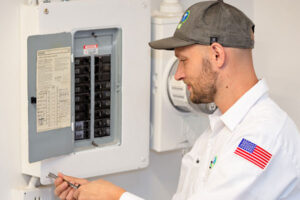 Start by taking the situation seriously.
Do not ignore the heat or assume it will resolve on its own. Avoid opening the electrical panel if you’re not trained, as it contains high-risk components.
If possible, reduce electrical load by turning off high-demand appliances. If the heat feels excessive, shut off power at the main breaker.
Pay attention to when the heat occurs, during heavy use or constantly. Then call an electrician to inspect the system and identify the cause.
When to Call an Electrician Immediately
Some warning signs mean you should act fast:
- The breaker box is hot to the touch
- You notice a burning smell or melted insulation
- Breaker trips happen frequently
- You hear buzzing or unusual noises coming from the panel
- Lights flicker across multiple areas
- You see discoloration or visible damage
These signs point to serious electrical issues that need immediate attention.
Can You Fix a Hot Breaker Box Yourself?
There are limits to what you should handle on your own.
You can reduce load or check how your home’s electrical system is being used. But most issues inside an electrical panel involve high-risk components.
Working inside the panel is not DIY-safe. It requires proper tools, experience, and code compliance to fix the problem correctly.
FAQ
Is it normal if my breaker box is hot?
A breaker box can be slightly warm under normal conditions. But if it’s hot to the touch, it’s a sign of a problem.
Can a hot breaker box cause a fire?
Yes. Overheating caused by an overloaded circuit, loose connections, or a faulty breaker can increase fire risk.
Why does my breaker box get hot when I use appliances?
Appliances increase load on your home’s electrical system. If the system is stressed, heat builds up more quickly.
Should I replace a hot circuit breaker?
In many cases, yes. A hot circuit breaker often signals internal failure or excessive load.
How much does it cost to fix a hot breaker box?
Costs depend on the issue. A simple repair is less expensive than a full panel upgrade, but inspection is the first step.
Don’t Ignore a Hot Breaker Box. Call Genesis 1:3 Electric Today!
 A hot breaker box is a warning sign. It might seem small now, but it usually points to a bigger problem inside your electrical system.
If your panel is hot, don’t ignore it.
Genesis 1:3 Electric serves Centennial, CO and surrounding areas, and we handle electrical panel problems the right way. Genesis keeps you out of the dark.