Most modern homes have 15 to 40 electrical circuits. The exact number depends on home size, electrical load, appliance count, and local code rules. Homes with EV chargers, workshops, electric HVAC systems, hot tubs, or large kitchens may need even more circuits.
The right number of circuits is not determined by square footage alone. A small house with many high-power appliances may need more circuits than a larger home with fewer electrical needs.
Knowing how many circuits your home needs can help prevent overloaded breakers. It also improves safety and shows if you may need new circuits installed.
Quick Takeaways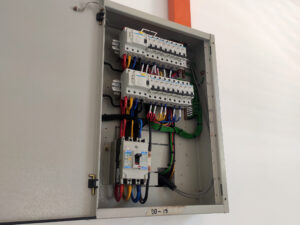
- Most homes have between 15 and 40 electrical circuits.
- Larger homes and homes with more appliances typically require more circuits.
- Modern electrical codes require several dedicated circuits.
- Electrical load matters more than home size alone.
- Frequent breaker trips can indicate a need for additional circuits.
- New circuit installation can improve safety and convenience.
How Many Circuits Should a House Have?
Most modern houses have between 15 and 40 circuits, but there is no universal number that works for every home. The number of circuits a house needs depends on factors such as:
- Square footage
- Appliance count
- HVAC systems
- Electric vehicles
- Home offices
- Workshops
- Overall electrical load
An electrical circuit is a set path that carries power from your panel to outlets, lights, or appliances. Each circuit is protected by a circuit breaker that shuts off power if the circuit becomes overloaded.
As homes add more technology and appliances, additional circuits are often needed to distribute power safely.
Why Modern Homes Need More Circuits Than Older Homes
Many older homes were built when electrical demands were much lower. A home built in the 1960s may have been designed to power:
- A refrigerator
- A television
- Basic lighting
- A few small appliances
Today’s homes often include:
- Large HVAC systems
- Multiple televisions
- Gaming systems
- Home offices
- Smart home devices
- EV chargers
- High-powered kitchen appliances
Modern electrical systems must support significantly more electrical load than homes built decades ago. That is one reason why newer homes often have more dedicated circuits and larger electrical panels.
What Dedicated Circuits Are Required in a Home?
A dedicated circuit serves one appliance or piece of equipment.
Dedicated circuits prevent large appliances from sharing power with other devices. This improves safety and reduces the risk of overloaded circuits.
Common dedicated circuits include:
- Refrigerator
- Microwave
- Dishwasher
- Garbage disposal
- Electric range
- Clothes dryer
- HVAC equipment
- Water heater
- EV charger
Many of these appliances require either a 20-amp circuit or a larger circuit depending on their power demands.
Dedicated circuits help protect electrical wiring, improve appliance performance, and support National Electrical Code NEC requirements.
Room-by-Room Circuit Requirements
Different areas of the home have different electrical needs.
Kitchen
The National Electrical Code NEC requires multiple small-appliance circuits in kitchens. Kitchens typically have dedicated circuits for major appliances and separate circuits for countertop receptacle outlets.
Bathrooms
Bathrooms generally require dedicated 20-amp circuit protection for receptacle outlets and often include fault circuit interrupters for safety.
Laundry Rooms
Laundry rooms commonly require a separate circuit for washing machines and additional circuits for electric dryers.
Bedrooms and Living Rooms
Bedrooms, dining rooms, and living rooms typically share general-purpose circuits that power outlets, light fixtures, and everyday electronics.
Garage
Garages often need dedicated circuits for power tools, freezers, refrigerators, or EV charging equipment.
Outdoor Spaces
Outdoor receptacle outlets, landscape lighting, and outdoor kitchens may require additional circuits depending on the installation.
Signs Your Home May Need More Circuits
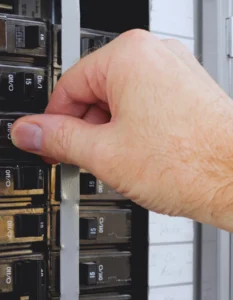 If your electrical system struggles to keep up with demand, additional circuits may be necessary. Common warning signs include:
- Frequent breaker trips
- Flickering lights
- Overloaded power strips
- Warm outlets
- Dependence on extension cords
- Limited space in the electrical panel
- New appliance additions
These symptoms often indicate that too many devices are sharing the same circuit.
Can You Add More Circuits Without Replacing the Electrical Panel?
Sometimes.
If your electrical panel has open breaker space and enough capacity, an electrician may add a separate circuit. This may not require a panel upgrade.
However, a panel upgrade may be necessary if:
- The panel is full
- The electrical load exceeds panel capacity
- The panel is outdated
- Major appliances are being added
An electrician can perform a load calculation to determine the best solution.
Benefits of New Circuit Installation
Adding new circuits can improve both safety and convenience. Benefits include:
- Improved safety
- Reduced breaker trips
- Better appliance performance
- Increased electrical capacity
- Future-ready electrical systems
- Easier support for home upgrades
New circuit installation can also help distribute power more evenly throughout the home.
DIY vs Hiring a Licensed Electrician
Installing a new circuit involves much more than adding a breaker. Common DIY mistakes include:
- Overloaded circuits
- Improper breaker sizing
- Code violations
- Unsafe electrical wiring
- Fire hazards
A licensed electrician can calculate the load, check code compliance, and ensure the new circuit connects safely.
Professional installation helps prevent costly mistakes and future electrical problems.
FAQ
How many circuits does a typical house have?
Most modern homes have between 15 and 40 circuits, although larger homes and homes with heavy electrical demands may have more.
Is there a minimum number of circuits required in a home?
There is no single minimum number. Circuit requirements depend on home layout, appliance count, and local electrical code requirements.
Does every major appliance need its own circuit?
Many major appliances require dedicated circuits under modern electrical codes. Examples include dryers, ranges, HVAC equipment, and water heaters.
How do I know if my home needs more circuits?
Frequent breaker trips, flickering lights, overloaded power strips, and warm outlets are common signs that additional circuits may be needed.
Can I add a new circuit to my existing electrical panel?
Yes, if the panel has available space and sufficient capacity. An electrician can determine whether adding a circuit is possible.
Do I need a panel upgrade to install new circuits?
Not always. If your panel has open breaker positions and enough capacity, new circuits may be added without a panel upgrade.
Is Your Home Running Out of Electrical Capacity?
 If your home has overloaded circuits, frequent breaker trips, or rising electrical needs, Genesis 1:3 Electric can help. We provide professional new circuit installation services throughout Centennial, CO and surrounding communities.
Whether you need a dedicated appliance circuit, garage circuit, workshop circuit, EV charger circuit, or additional capacity for future upgrades, our team can design a safe solution that fits your home’s needs.
Genesis keeps you out of the dark. Good day, and Gooooooood Genesis!