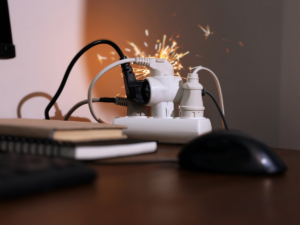
 An overloaded circuit occurs when devices draw more electricity than the circuit is designed to handle safely. When that happens, the circuit breaker may trip to prevent overheating, damaged wiring, and potential fire hazards.
In many cases, overloaded electrical circuits mean a home’s power needs have outgrown its current wiring and capacity. What worked for a family in 1985 may not work today. Today’s families use home offices, air fryers, gaming systems, EV chargers, and smart devices.
If you notice strange electrical behavior, this guide lists common signs of an overloaded circuit. It also explains how electricians fix the problem.
Quick Takeaways
- Overloaded circuits occur when electrical demand exceeds circuit capacity.
- Frequent breaker trips are one of the most common warning signs.
- Warm outlets, flickering lights, and buzzing sounds can indicate an overload.
- Space heaters, microwaves, and portable AC units commonly overload circuits.
- Overloaded circuits can increase the risk of electrical fires.
- New circuit installation may be necessary if your home’s electrical demands have outgrown its wiring.
1. Your Circuit Breaker Trips Frequently
Circuit breakers are designed to protect your home’s electrical system.
When a circuit becomes overloaded, the breaker shuts off power before wiring can overheat. Many homeowners think the breaker is faulty. In most cases, it is working as designed.
Occasional trips can happen. However, repeated breaker tripping often signals excessive electrical load on the circuit.
If you find yourself regularly resetting circuit breakers, your home’s electrical system may need attention.
2. Your Lights Flicker or Dim
Flickering or dimming lights are another common warning sign of an overloaded circuit.
When a large appliance turns on, it can temporarily draw enough power to affect voltage delivery throughout the circuit. You may notice lights flicker or dim when:
- A microwave starts
- A space heater powers on
- An air conditioner cycles
- A vacuum cleaner runs
One isolated event may not indicate a problem. Frequent flickering or dimming lights should be evaluated by an electrician.
3. Outlets or Switches Feel Warm
Electricity naturally generates heat. Too much current generates too much heat.
If outlets, switches, or wall plates feel warm to the touch, the circuit may be carrying more power than it can safely handle.
Warm outlets should never be ignored. Excess heat increases the risk of damaged wiring, melted insulation, and electrical fires.
If an outlet feels unusually hot, discontinue use and schedule an inspection.
4. You Hear Buzzing Sounds from Outlets or Walls
Electricity should operate quietly.
Buzzing, humming, crackling, or sizzling sounds can indicate overloaded electrical circuits or loose electrical connections.
These noises often occur when wiring is under stress or components begin to deteriorate.
If you hear unusual electrical sounds coming from outlets, switches, walls, or the electrical panel, immediate evaluation is recommended.
5. You Depend on Multiple Power Strips and Extension Cords
Power strips and extension cords are useful temporary tools.
They are not intended to serve as permanent solutions for inadequate electrical capacity.
If your home uses many extension cords, you may not have enough outlets or circuits for your power needs.
Overloaded receptacles often happen when homeowners plug many devices into one outlet. This is often because there are not enough nearby circuits.
6. High-Powered Appliances Cause Problems
Certain appliances place significant demands on a circuit. Common overload culprits include:
- Space heaters
- Microwaves
- Air fryers
- Hair dryers
- Portable AC units
- Vacuum cleaners
A single heat producing appliance may consume a large portion of a circuit’s capacity. Running multiple high-demand devices together can quickly push a circuit beyond what it is designed to handle.
The problem often stems from cumulative electrical load rather than a single appliance.
7. Breakers Trip When Multiple Devices Run Together
A circuit may operate normally until several devices run at the same time.
For example, a 15-amp circuit is typically designed to handle about 1,800 watts. A 20-amp circuit can generally support around 2,400 watts.
Imagine running:
- A microwave
- A coffee maker
- A toaster oven
all on the same kitchen circuit.
Suddenly, the combined load exceeds the circuit’s capacity and breaker tripping occurs. When breakers trip only during periods of heavy usage, circuit overload is often the cause.
8. Your Home Has Older Electrical Wiring
Many older homes were built with fewer circuits because families simply used less electricity. Decades ago, homes did not need to support:
- Home offices
- Multiple televisions
- Gaming systems
- Smart devices
- EV chargers
- Large kitchen appliances
As modern electrical demands increase, older electrical systems can struggle to keep pace. Older homes often benefit from new circuits that better distribute power throughout the house.
9. You Recently Added New Appliances or Equipment
Adding new equipment can push an already stressed electrical system beyond its limits. Common examples include:
- EV chargers
- Home office equipment
- Workshop machinery
- Additional kitchen appliances
- Hot tubs
- Garage freezers
Every new device adds demand to your home’s electrical system. Without additional capacity, overloaded circuit problems can become more common.
Why Overloaded Circuits Are Dangerous
An overloaded circuit is more than a minor inconvenience. Overloads can cause:
- Overheating wires
- Damaged insulation
- Equipment damage
- Electrical fires
According to the National Fire Protection Association, electrical failures and malfunctions remain a significant cause of residential fires.
The longer an overload continues, the greater the potential damage becomes.
That is why warning signs of an overloaded circuit should never be ignored.
How Electricians Fix Overloaded Circuits
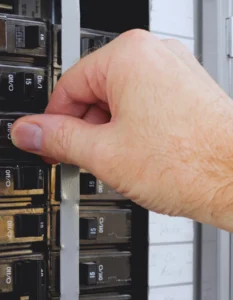 The best solution depends on the condition of the home’s electrical system. An electrician may recommend:
- Redistributing electrical load
- Installing dedicated circuits
- New circuit installation
- Electrical panel upgrades
Sometimes the problem is isolated to a single overloaded area. In other cases, the entire electrical panel may lack sufficient capacity for modern usage.
A professional inspection helps determine the most effective solution.
When New Circuit Installation Is the Best Solution
In many homes, continually resetting breakers is only treating the symptom. The real problem is insufficient electrical capacity. New circuit installation often makes sense when homeowners need:
- Dedicated appliance circuits
- Garage circuits
- Workshop circuits
- EV charger circuits
- Home office circuits
Adding a separate circuit reduces stress on existing wiring and helps prevent circuit overloads in the future. For growing households and modern electrical demands, new circuits are often the safest long-term solution.
FAQ
What is an overloaded circuit?
An overloaded circuit occurs when devices connected to a circuit draw more electricity than the circuit is designed to handle safely. This can cause breaker tripping, overheating, and potential fire hazards.
Can an overloaded circuit cause a fire?
Yes. Overloaded electrical circuits can overheat wiring, damage insulation, and increase the risk of electrical fires if the problem is not corrected.
What appliances commonly overload circuits?
Space heaters, microwaves, portable AC units, air fryers, hair dryers, and other high-demand appliances frequently contribute to overloaded circuits.
How do I know if my breaker is overloaded?
Common warning signs include frequent breaker trips, flickering lights, warm outlets, buzzing sounds, and recurring electrical problems when multiple devices operate simultaneously.
Can I fix an overloaded circuit myself?
In some cases, reducing the electrical load may help temporarily. However, recurring overloads often require professional diagnosis to identify the underlying issue safely.
Does adding a new circuit solve overload problems?
Yes, in many situations. New circuit installation can reduce electrical load on existing circuits and provide dedicated power for appliances or equipment that require additional capacity.
Stop Fighting Your Breakers and Start Powering Your Home Properly
 If your home experiences frequent breaker trips, overloaded outlets, or growing electrical demands, Genesis 1:3 Electric can help. We provide professional new circuit installation services throughout Centennial, CO and surrounding communities.
Whether you need a dedicated appliance circuit, garage circuit, workshop circuit, EV charger circuit, or additional electrical capacity, our team can design a safe solution that keeps your home running smoothly.
Genesis keeps you out of the dark. Good day, and Gooooooood Genesis!