A GFCI outlet that keeps tripping is usually detecting an electrical imbalance somewhere on the circuit. Moisture, a faulty appliance, current leakage, damaged wiring, or a failing GFCI can all cause repeated trips.
A GFCI is designed to shut off power when some of the electrical current is taking an unintended path. One occasional trip does not always mean something is wrong. A GFCI that trips repeatedly should be checked to find the cause.
Quick Takeaways
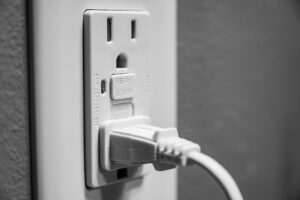 Moisture is a common reason GFCI outlets trip, especially outdoors and in damp areas.
- A faulty appliance may cause the GFCI to trip as soon as the appliance is plugged in or turned on.
- A GFCI can trip because of a problem elsewhere on the protected circuit.
- Damaged wiring or electrical leakage can cause repeated trips.
- Several connected devices can contribute enough leakage current to trip a GFCI.
- A worn or damaged GFCI outlet may need to be replaced.
- A GFCI that repeatedly trips or will not reset should not simply be reset over and over.
7 Reasons Your GFCI Outlet Keeps Tripping
A GFCI outlet keeps tripping when it detects current leaving the intended electrical path or when there is a problem with the GFCI or protected circuit. The cause can be as simple as a faulty appliance or involve wiring that needs professional inspection.
1. Moisture Is Getting Into the Outlet
Moisture can cause a GFCI outlet to trip by creating an unintended path for electrical current. This problem is especially common around outdoor receptacles and other damp locations.
GFCI protection is commonly used in areas where electricity and water may come into contact. That includes bathrooms, kitchens, garages, and outdoor areas.
An outdoor GFCI that starts tripping during or after rain may have moisture inside the receptacle, electrical box, cover, or another part of the protected circuit. The source of the moisture should be found instead of repeatedly resetting the outlet.
2. An Appliance Has a Ground Fault
A faulty appliance can cause a GFCI to trip when electrical current leaks from the appliance’s normal circuit path. The GFCI shuts off power when it detects the imbalance.
This can explain why a GFCI works normally until one particular appliance is plugged in or switched on.
You can unplug the connected appliances and reset the GFCI. Plug the appliances back in one at a time. If the GFCI consistently trips when the same appliance is connected or operated, that appliance may be the source of the problem.
Do not continue using an appliance that repeatedly trips GFCI protection until the cause is identified.
3. There Is Current Leakage Somewhere on the Circuit
A GFCI trips when the amount of current leaving on the hot conductor does not match the amount returning on the neutral conductor closely enough. The difference indicates that some current may be flowing along another path.
GFCI protection is designed to react to very small differences in current. That allows the device to shut off power quickly when a ground fault occurs.
Current leakage does not have to originate at the GFCI receptacle itself. Wiring, appliances, equipment, or other devices connected to the protected circuit can be responsible.
4. The Wiring Is Damaged or Loose
Damaged wiring can cause repeated GFCI trips if electrical current leaks from its intended path. Damaged insulation, deteriorated conductors, and wiring problems elsewhere on the circuit may all require inspection.
The problem can also be located beyond the GFCI outlet. A GFCI receptacle can protect wiring and additional receptacles farther downstream on the same circuit.
Electrical wiring should not be taken apart as a DIY troubleshooting step. An electrician can test the circuit and determine whether the GFCI, wiring, or another connected component is causing the trips.
5. Multiple Devices Are Creating Enough Leakage to Trip It
Several electrical devices can sometimes contribute enough normal leakage current to trip GFCI protection. Each device may contribute only a small amount, but the combined leakage can become enough for the GFCI to respond.
This can make the problem harder to identify because no single appliance appears obviously faulty.
Disconnecting devices and reconnecting them one at a time can help narrow down the source. An electrician can perform further testing if the GFCI continues to trip without an obvious cause.
6. Another Outlet or Device Downstream Has a Problem
A GFCI outlet can protect other receptacles and electrical devices farther downstream on the same circuit. A fault at one of those locations can therefore trip a GFCI somewhere else.
This is why the outlet with the RESET and TEST buttons is not necessarily where the electrical problem started.
For example, moisture or a wiring fault at a downstream receptacle may cause the upstream GFCI to trip. Testing the full protected circuit can help identify which receptacle, device, or section of wiring is responsible.
7. The GFCI Outlet Is Failing
A GFCI receptacle can eventually wear out or become damaged. A failing GFCI may trip unexpectedly, fail to reset, or stop providing power correctly.
However, repeated tripping should not automatically be blamed on the receptacle. The GFCI may be doing exactly what it is supposed to do by responding to a real electrical fault.
An electrician can test the GFCI and protected circuit before replacing the receptacle. Testing helps determine whether the GFCI itself has failed or another electrical problem is causing the trips.
Why Does My GFCI Keep Tripping With Nothing Plugged In?
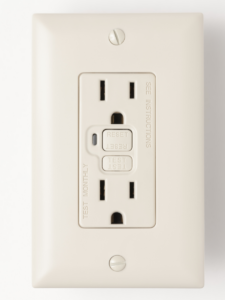 A GFCI that keeps tripping with nothing plugged into the receptacle may have moisture, damaged wiring, a downstream fault, or a problem with the GFCI itself. An empty receptacle does not mean nothing else is connected to the protected circuit.
One GFCI can protect several downstream receptacles. A device plugged into another protected outlet could therefore cause the GFCI to trip.
If all connected devices have been removed and the GFCI still trips, the circuit may need to be tested. An electrician can check the GFCI, downstream receptacles, wiring, and connections to locate the fault.
What Should You Do if a GFCI Keeps Tripping?
Start by unplugging connected appliances, resetting the GFCI, and reconnecting appliances one at a time. Stop troubleshooting if the GFCI continues to trip with nothing connected, will not reset, shows signs of damage, or trips again immediately.
A simple troubleshooting process is:
- Unplug appliances and devices from the affected receptacle and other known protected outlets.
- Press the RESET button on the GFCI.
- Reconnect devices one at a time.
- Watch for a particular appliance that causes another trip.
- Stop using the suspected appliance if the same device repeatedly causes the GFCI to trip.
Do not keep resetting a GFCI that trips repeatedly without finding the cause. The GFCI may be responding to an electrical fault that needs repair.
When Should a GFCI Outlet Be Replaced?
 A GFCI outlet may need replacement if it is damaged, fails testing, will not reset, or no longer works correctly. An electrician should also check for wiring or circuit problems before assuming the GFCI itself is the cause.
If your GFCI keeps tripping or won’t reset, Genesis 1:3 Electric can find the cause and determine whether the outlet needs repair or replacement. Our GFCI repair and replacement service helps homeowners in Centennial and the surrounding Denver metro area keep their electrical systems working safely.
FAQs
Why does my GFCI trip when it rains?
A GFCI that trips when it rains may be detecting moisture somewhere on the protected circuit. Water can enter an outdoor receptacle, electrical box, cover, or another exposed electrical component and create a path for leakage current.
The affected outlet may not be the GFCI with the RESET button. A wet downstream receptacle can also cause an upstream GFCI to trip.
Why does my GFCI trip when I plug something in?
A GFCI that trips when a specific device is plugged in may be detecting a ground fault or leakage current from that appliance. Unplug the device and see whether the GFCI resets and remains on.
If the same appliance repeatedly causes the trip, stop using the appliance until the problem is identified.
Why won’t my GFCI reset?
A GFCI may not reset because power is unavailable to the receptacle, a fault is still present on the circuit, the GFCI is wired incorrectly, or the GFCI itself has failed.
If the GFCI will not reset after connected devices are unplugged, an electrician can test the receptacle and circuit to determine why power cannot be restored.
Can a GFCI outlet go bad?
Yes. A GFCI outlet can fail from age, wear, damage, or other electrical problems. A failed GFCI may stop resetting, stop providing power, or fail its built-in test.
Repeated tripping does not automatically mean the GFCI is bad. The device may be responding correctly to a fault elsewhere on the circuit.
Is a GFCI that keeps tripping dangerous?
Repeated GFCI trips can indicate an electrical condition that should not be ignored. The GFCI is designed to shut off power when it detects current flowing along an unintended path.
Do not repeatedly reset a GFCI if it immediately trips again. Moisture, damaged wiring, faulty appliances, or other electrical faults should be identified and corrected before normal use continues.