Quick Answer: What Is Recessed Lighting?
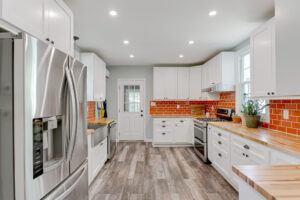 Recessed lighting, also called can lights or downlights, is a type of ceiling fixture that sits flush with the surface. It uses three parts: a housing, a trim, and a bulb.
The design provides unobtrusive illumination suitable for general, task, or accent purposes. This guide covers how these fixtures work, the types available, trim styles, bulb options, installation, pros and cons, and common questions.
How Recessed Lighting Works
These fixtures sit inside the ceiling rather than hanging down, creating a streamlined appearance.
Main Components
Each unit has three parts. The first part is the housing inside the ceiling. The second part is the trim that frames the opening. The third part is the bulb or LED module that produces light.
IC Rated vs. Non-IC
IC rated units are safe for contact with insulation and help prevent fire hazards. Non-IC units require clearance from insulation to avoid overheating.
Types of Light
Downlights can provide broad general illumination, focused task lighting, or accent light aimed at specific areas.
Types of Fixtures
Different housings are designed for different ceilings and uses.
New Construction
These are installed before drywall goes up. They attach directly to ceiling joists for stability.
Remodel
Remodel housings fit into existing ceilings through cutouts and clamp in place.
Airtight and IC Rated
Airtight housings reduce air leaks, while IC rated versions protect against overheating when in contact with insulation.
Shallow and Sloped Ceiling Options
Shallow housings fit in tight spaces, while sloped versions aim the beam correctly on angled ceilings.
Wet Location Rated
Fixtures rated for wet locations are sealed to resist moisture. They are essential in bathrooms, showers, and outdoor areas.
Trim Options
The trim controls both the look and the way light is delivered.
Baffle Trim
Ribbed surfaces absorb excess light and reduce glare, creating softer illumination.
Reflector Trim
A shiny surface reflects maximum light, making this option ideal for kitchens and work areas.
Wall Wash Trim
This style directs light across vertical surfaces, perfect for highlighting artwork or architectural features.
Adjustable Trim
Also called eyeball trims, these can be aimed at specific spots for directional light.
Lensed Trim
A cover protects the bulb from moisture, making these trims safe for showers and other damp areas.
Choosing the Right Bulb
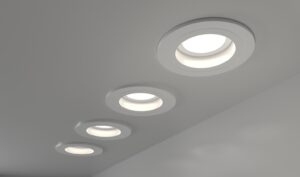
The bulb determines brightness, efficiency, and lifespan.
Incandescent and Halogen
These older choices give warm light but waste energy and burn out faster.
CFL
Compact fluorescents are more efficient than incandescent bulbs but are less common today and contain mercury.
LED
LED bulbs and modules are the best choice for efficiency, cool operation, and long life.
Retrofit Modules
These combine a bulb and trim into one unit, allowing older housings to be upgraded easily.
Best Options by Room
The right fixture depends on the space and purpose.
Living Room
Mix baffle trims for general light with wall wash trims to highlight features.
Kitchen
Use reflector or adjustable trims over counters and islands for strong task lighting.
Bathroom
Wet-rated housings with lensed trims protect against moisture and keep the space safe.
Office or Workspace
Adjustable trims focus light on desks, while LEDs reduce energy costs.
Outdoor Areas
Weather-sealed housings with lensed trims are designed to handle rain and humidity.
Installing Recessed Lighting
 Adding these fixtures requires careful planning and proper safety practices.
Placement Guidelines
Space lights four to six feet apart, depending on ceiling height. Avoid placing them too close to walls, which can create shadows.
DIY vs. Professional
Remodel housings can be a DIY project, but hiring a licensed electrician ensures safe wiring and code compliance.
Wiring and Safety
Follow building codes and use IC rated housings near insulation to prevent overheating.
Cost Factors
Price varies based on housing type, trim choice, bulb type, and labor. LEDs cost more upfront but save money over time.
Pros and Cons of Recessed Lighting
These fixtures have clear benefits but also some limits.
Advantages
They are energy efficient, space-saving, and versatile for many rooms.
Disadvantages
Improperly installed or non-IC rated housings can pose a fire risk. They also cost more upfront and offer fewer decorative styles compared to pendants or chandeliers.
Key Takeaways
- Each unit has a housing, trim, and bulb.
- Trim options like baffle, reflector, wall wash, adjustable, and lensed trims change how light is delivered.
- IC rated housings improve safety and efficiency.
- LED bulbs are the top choice for performance and energy savings.
- These fixtures work for general, task, and accent applications in nearly any room.
Frequently Asked Questions
How far apart should lights be placed?
Most should be spaced four to six feet apart, depending on ceiling height and room layout.
Can they be used in wet locations?
Yes. Wet-rated housings and lensed trims are required in bathrooms, showers, and outdoor ceilings.
Do LED downlights save money?
Yes. LEDs use less power, last longer, and reduce replacement costs.
What works best for a living room?
A mix of baffle trims for general light and wall wash trims for accent lighting works well.
Are baffle trims better than reflector trims?
Baffle trims reduce glare and create softer light. Reflector trims maximize brightness. The best choice depends on how you use the room.
Recessed Light Installation Services in Centennial, CO
 If you want to add new recessed lighting to your home, Genesis 1:3 Electric can help. We install can lights and LED downlights in Centennial, CO, and nearby areas.
Our team can recommend the right trim options, housing type, and placement for your needs. Call Genesis 1:3 Electric today — “Genesis keeps you out of the dark.”